Build Your Ultimate Watch Collection for ₹1K to ₹50K
From Budget to Luxury – What You Need to Own
5 mins
Budget
The cost of a Rolex reflects manufacturing control, material science, engineering standards, market positioning, and long-term brand strategy.
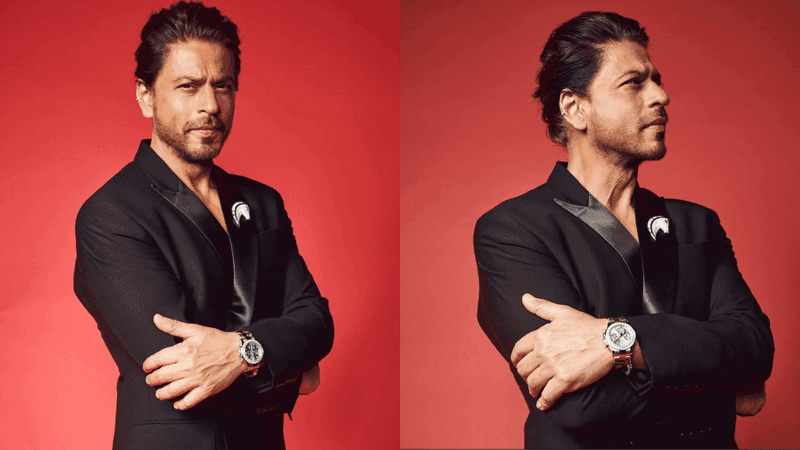
Rolex is one of the most recognized names in the luxury watch industry. Its prices often spark debate, but the reasons behind those prices are structural, not arbitrary.
People who wear a Rolex often do so to signal a personal milestone. The watch represents achievement first; the price becomes secondary. It is not the most expensive watch in the world, but it is one of the most universally recognized markers of having “arrived.”
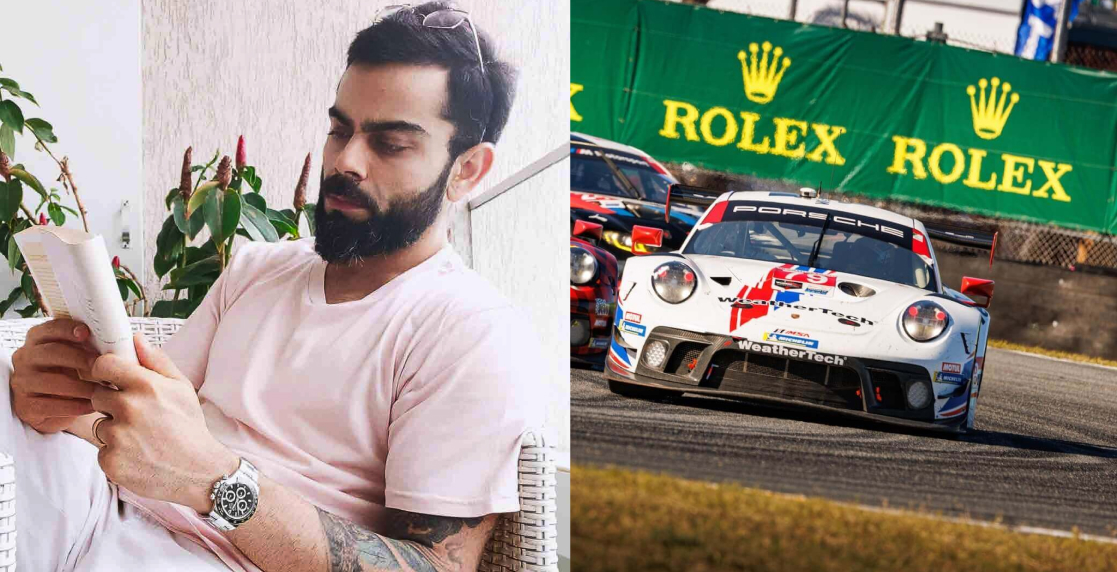
Rolex has built over a century of brand equity tied to performance, achievement, and durability. The company aligned itself early with exploration, sport, and professional use rather than short-term fashion trends.
Indian public figures such as Shah Rukh Khan, Salman Khan, and Virat Kohli have frequently been seen wearing Rolex watches. Several of them are not just wearers, but serious watch enthusiasts and collectors in their own right.
Over time, the brand became associated with personal milestones and financial success. That association increases perceived value. When a product becomes a symbol of accomplishment, consumers accept a higher price threshold.
Models such as the Rolex Datejust and Rolex Oyster Perpetual have evolved gradually over decades rather than undergoing radical redesigns.

The company refines proportions and internal mechanics while preserving recognizable silhouettes. This continuity reinforces long-term brand stability and cross-generational appeal.
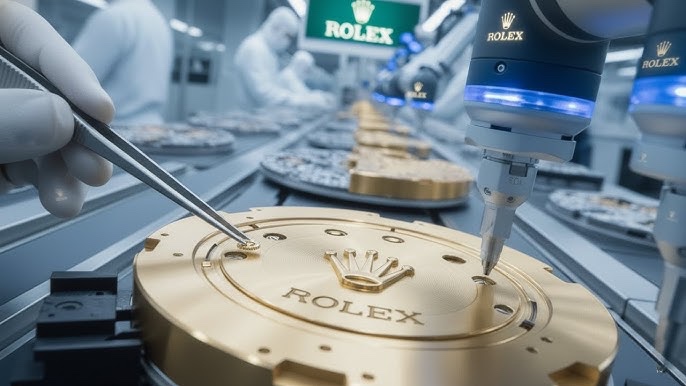
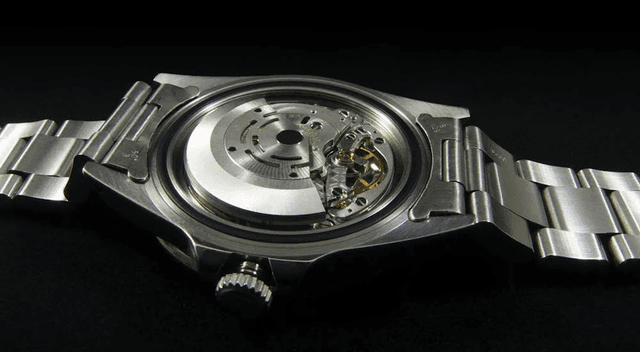
Rolex operates with extensive vertical integration. It manufactures movements, cases, bracelets, dials, and even proprietary alloys in-house.
Vertical integration increases operating costs. It requires specialized facilities, research investment, and skilled labor. However, it allows strict quality control and production consistency.
Few competitors operate at this scale while maintaining the same level of internal control. That autonomy contributes directly to pricing.
Rolex uses 904L stainless steel, branded as Oystersteel, instead of the more common 316L steel used by many watch brands. This alloy offers higher corrosion resistance and requires more complex machining and finishing.
The company also produces its own gold alloys, including Everose. Internal metallurgy ensures consistency and long-term color stability.
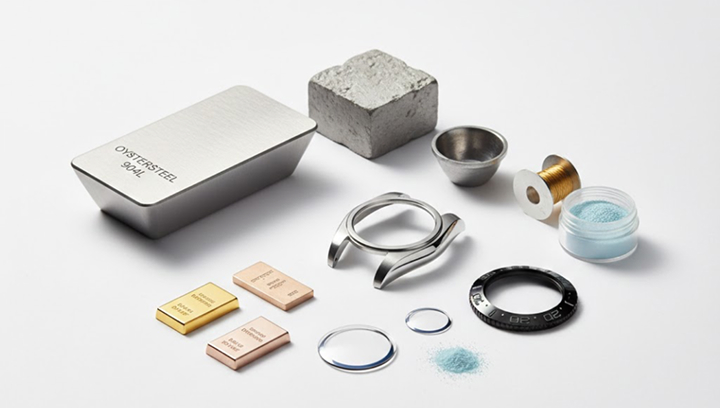
Ceramic bezel inserts, sapphire crystals, and highly durable luminous materials add further production costs. These components are engineered for longevity rather than short-term aesthetics.
Higher-grade materials increase machining time, tooling wear, and quality control requirements. These factors raise overall manufacturing expense.
Rolex movements are designed for durability and accuracy. Technical features include the Chronergy escapement, Parachrom hairspring, and Paraflex shock absorption system.
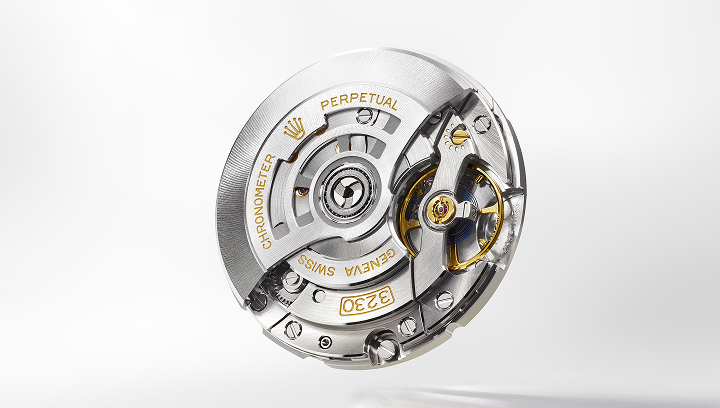
All movements receive COSC certification and are then regulated to Rolex’s Superlative Chronometer standard of minus two to plus two seconds per day.
The emphasis is on mechanical reliability rather than decorative finishing. Engineering for long service life requires research investment and controlled assembly processes.
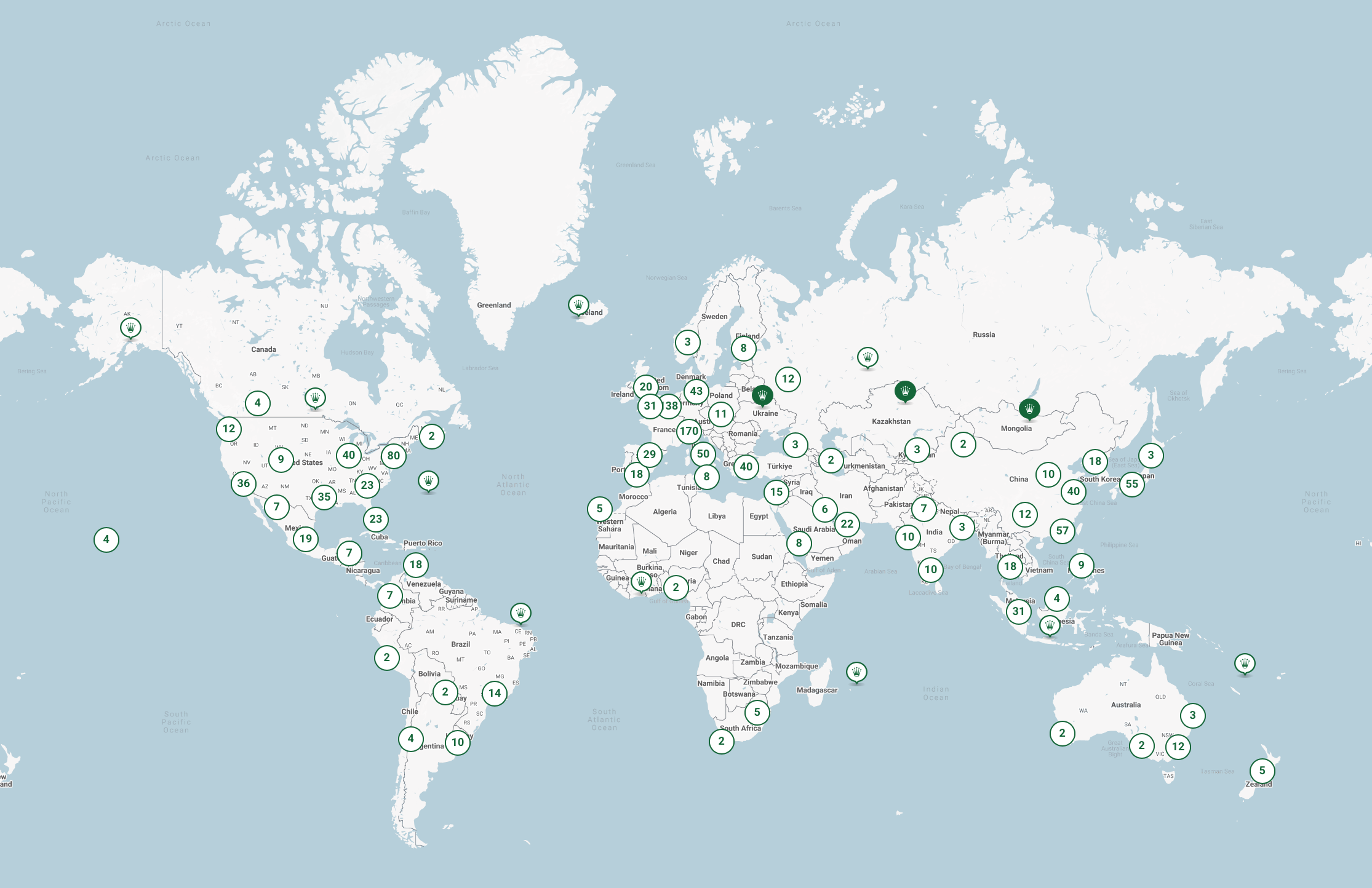
Rolex maintains extensive internal training programs for watchmakers and technicians. Skilled human assembly remains central to production and servicing.
In addition, the company supports a global service network capable of maintaining watches for decades. Warranty obligations, spare parts supply, and certified repair centers represent long-term financial commitments embedded in the retail price.
When purchasing a Rolex, customers are also buying into long-term service support.
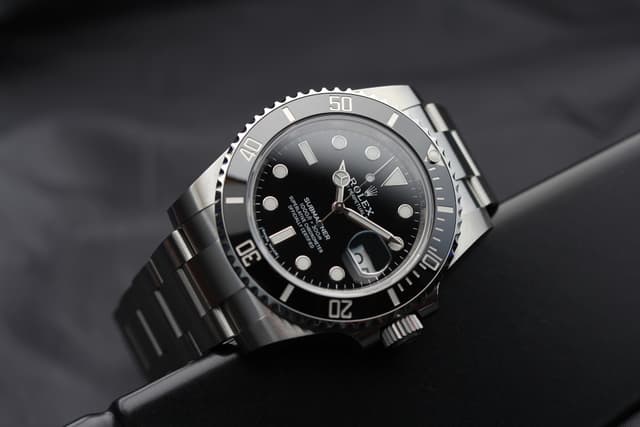
Models such as the Rolex Submariner, Rolex Daytona, and Rolex GMT-Master II often have waiting lists at authorized dealers.
Rolex produces watches at scale but does not expand output to meet total global demand. This controlled supply supports exclusivity and secondary market strength.
Scarcity increases desirability. Strong resale values reinforce primary market demand. This feedback loop strengthens pricing power.
From a purely mechanical perspective, alternatives exist at lower and higher prices.
However, Rolex pricing reflects more than movement performance. It includes brand equity, manufacturing autonomy, global infrastructure, and secondary market resilience.
Compared to brands such as A. Lange & Söhne or Richard Mille, Rolex occupies a
Rolex watches are in demand because the company controls nearly every aspect of production, invests heavily in materials and engineering, maintains global service infrastructure, and manages supply relative to demand.
The cost is not driven by a single factor. It is the cumulative result of engineering standards, operational scale, brand discipline, and market dynamics.
That combination places Rolex in a pricing category few competitors can replicate consistently.
Subscribe to the Watchgyan newsletter and get thoughtfully curated watch stories delivered straight to your inbox. Subscribers also receive behind the scenes insights and early access to exclusive announcements before anyone else.
All images used are soley for illustration purposes and we dont claim rights to any one of them.