Build Your Ultimate Watch Collection for ₹1K to ₹50K
From Budget to Luxury – What You Need to Own
5 mins
Budget
Is It Really Possible to Get a Good Watch at Rs 1000?
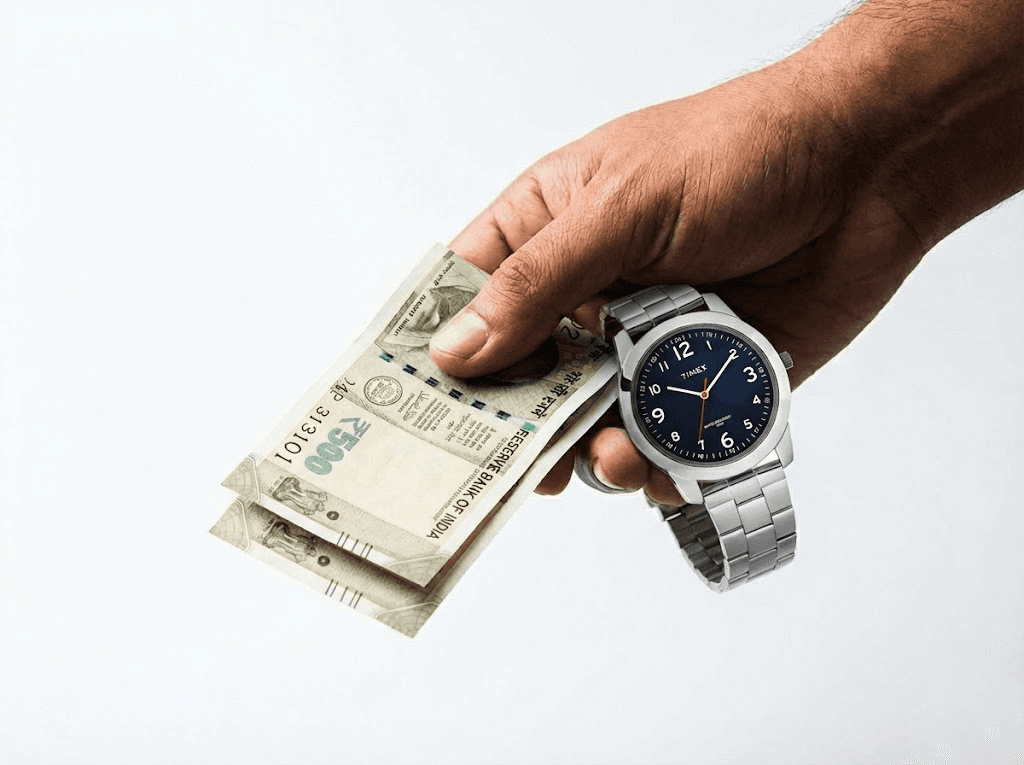
Search for “men watches under 1000” in India and you will find thousands of options. Flipkart, Amazon, Myntra, street stores, Instagram ads. On paper, it looks like a dream. So many designs, so many brands, all claiming to offer style, reliability and value at an unbelievably low price.
But here is the uncomfortable truth. A ₹1000 watch is not a “good watch” in the traditional sense. It is a compromise product. That does not automatically make it bad, but it does mean you need to understand exactly what you are buying and, more importantly, what you are not.
This article is not a product list or a haul. It is meant to explain the reality of this price segment from an Indian perspective.
At this price point, the watch industry is not trying to build long-lasting timepieces. It is trying to build something that looks acceptable, works out of the box, and costs as little as possible to manufacture.
That single goal defines everything else.
Movement quality, materials, finishing, durability, water resistance, servicing. All of these take a back seat to cost control. Once you accept that, the ₹1000 segment starts making more sense.
Every new watch you see around ₹1000 will be quartz. That is not a problem by itself. Quartz is accurate, reliable and practical. The issue is the quality of the quartz module.
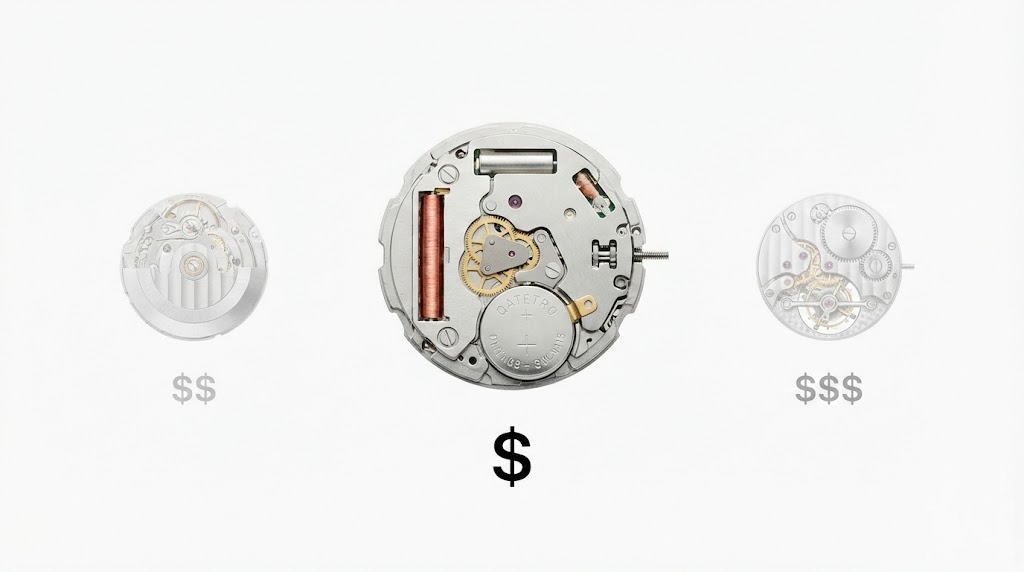
In this segment, movements are extremely basic. They are designed to tick, show time and last long enough for the warranty period. Accuracy is usually acceptable for daily life, but it is not tight or regulated. Battery life varies. Servicing is not economical. If something fails, replacement is cheaper than repair.
Mechanical or higher-end movements simply do not exist here. If you see one claiming otherwise, assume marketing nonsense.
This is where expectations need to be reset hard.
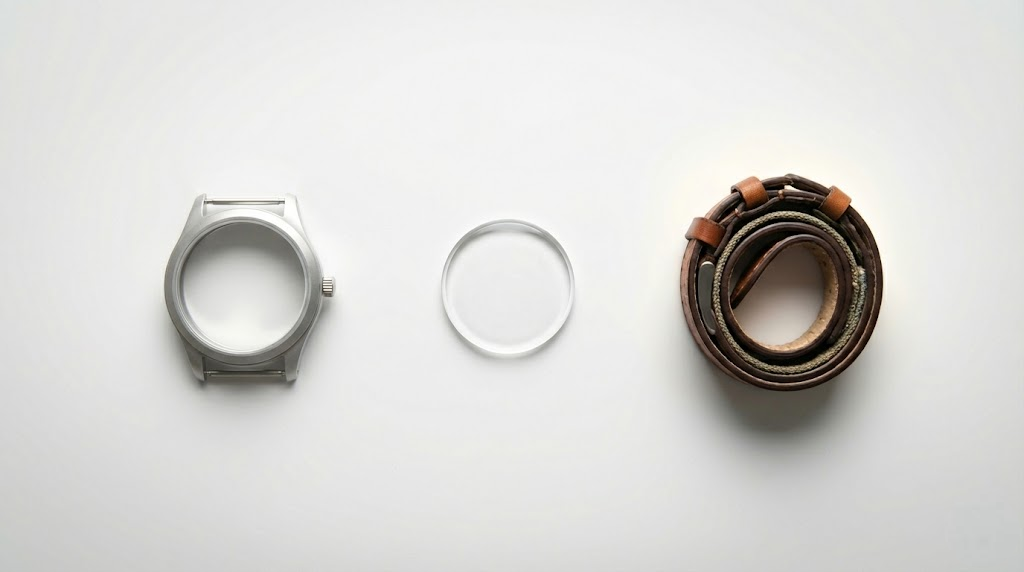
Cases are usually alloy or lightweight metal. Sometimes stainless steel is mentioned, but it is thin and not comparable to higher-priced watches. Crystals are acrylic or very basic mineral glass, which means scratches are inevitable.
Straps are often synthetic leather, cheap silicone or light metal bracelets that feel hollow and wear out quickly. Water resistance claims are mostly symbolic. Splash resistant is the reality. Rain, hand wash, maybe. Swimming, showers, or rough use will kill most of these watches.
None of this makes them unusable. It just means they are not built for long-term abuse.
Most watches under ₹1000 are generic products with different logos slapped on the same case and dial. Brand does matter here, not because you get premium quality, but because you at least get some level of consistency and accountability.
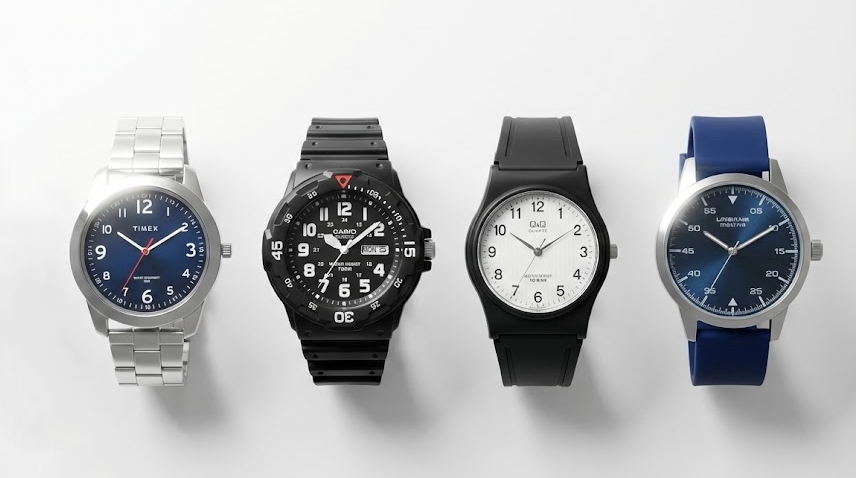
Casio is the gold standard for affordable watches, but genuinely finding a Casio under ₹1000 in India is rare. When it happens, usually with basic digital models or heavy discounts, it is worth considering because Casio understands functional durability better than almost anyone. Do not expect features or luxury. Expect it to work.
Timex occasionally dips into this bracket during sales. These are usually simple analog watches with clean designs. Build quality is basic, but Timex at least has a legacy of decent quality control. Again, no frills, just functionality.
Q&Q is interesting because it is often overlooked. Some of their designs, especially the sportier ones, are surprisingly well thought out for the price. They are not true tool watches, but visually and functionally they stand above most no-name options in the same range.
Maxima is one of the most consistent players under ₹1000 in India. Their watches are simple, honest, and aimed at daily wear. You are not buying prestige or innovation here. You are buying a watch that looks decent and does its job without pretending to be something else.
Titan, Sonata and Fastrack are three names that deserve a separate mention, because they carry real brand equity in India, but their presence under ₹1000 is limited and often not what people think it should be. Titan and its sub-brands (Sonata and Fastrack) occasionally launch watches that flirt with the ₹1000 mark, typically during sales or special offers. The problem is that most of these watches are oversized fashion pieces with exaggerated styling and materials that do little to justify the brand name.
Most disappointment around ₹1000 watches comes from expectation mismatch.
People expect durability, precision, longevity and a premium feel because they see those qualities in more expensive watches online. What they forget is that those watches cost three to ten times more for a reason.
A ₹1000 watch is closer to a fashion accessory than a long-term tool. It is something you wear casually, replace easily, and do not get emotionally attached to.
If you understand that, you will not feel cheated.
This segment is perfectly fine for students, first-time watch buyers, or anyone on a tight budget who just needs something functional. It also works for people who want a beater watch, something they can wear without worrying about scratches, damage or loss.
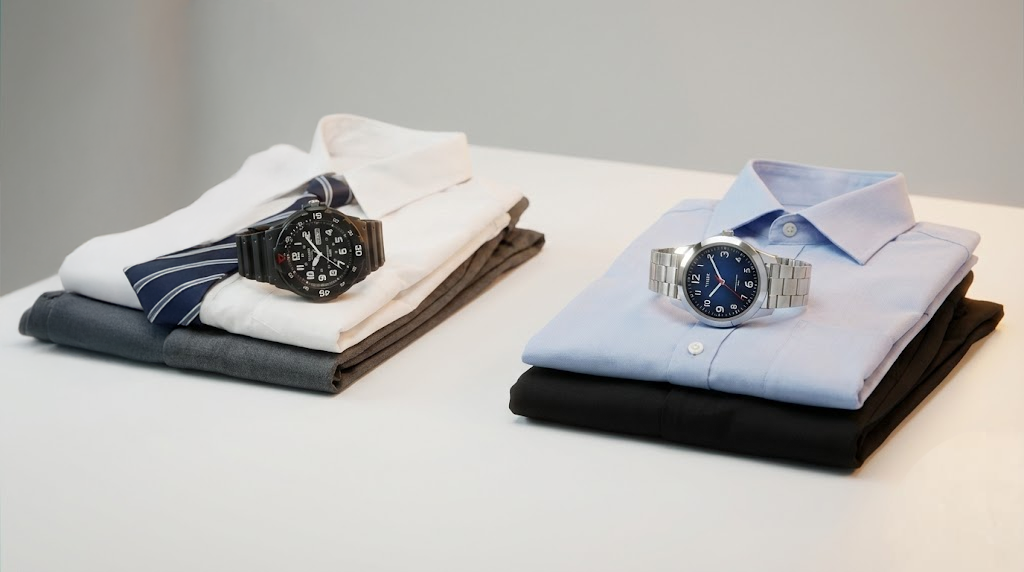
It does not make sense for someone who wants a daily watch that will last years, someone who cares deeply about accuracy and build, or someone who sees a watch as a personal statement.
Yes, it is possible to buy a watch under ₹1000 in India that looks good and works. No, it is not possible to buy a genuinely high-quality watch at this price.
Casio, Timex, Q&Q and Maxima are among the very few brands worth trusting here because they at least respect basic standards. Even then, what you are buying is a compromise.
If you treat a ₹1000 watch as a starting point, not a destination, you will make a smarter decision. The real mistake is not buying cheap. The real mistake is expecting premium performance from a budget that simply does not allow it.