Build Your Ultimate Watch Collection for ₹1K to ₹50K
From Budget to Luxury – What You Need to Own
5 mins
Budget
In late 2025, something unusual happened in the world of mechanical watches. Not in Switzerland. Not in Japan. In India.
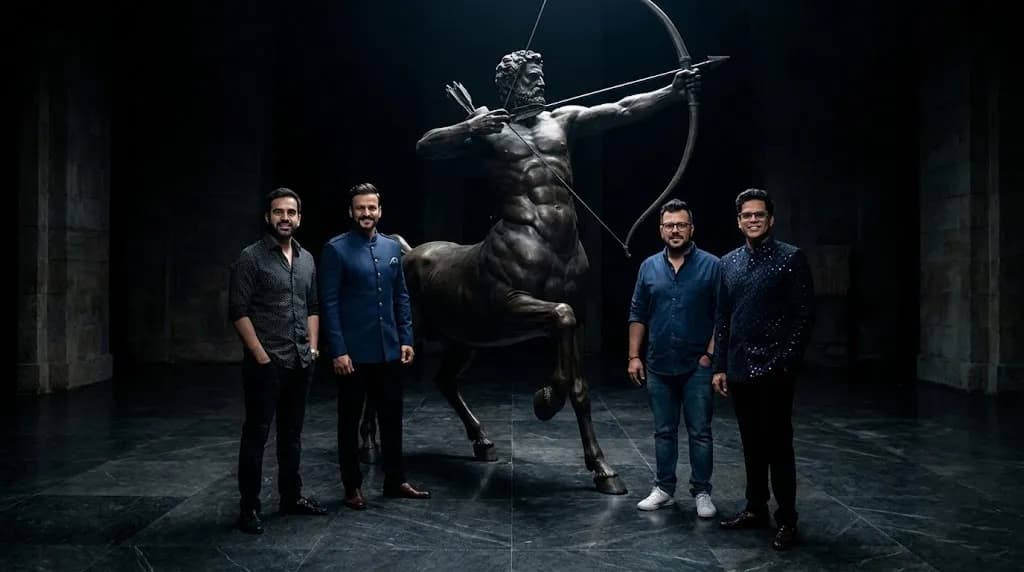
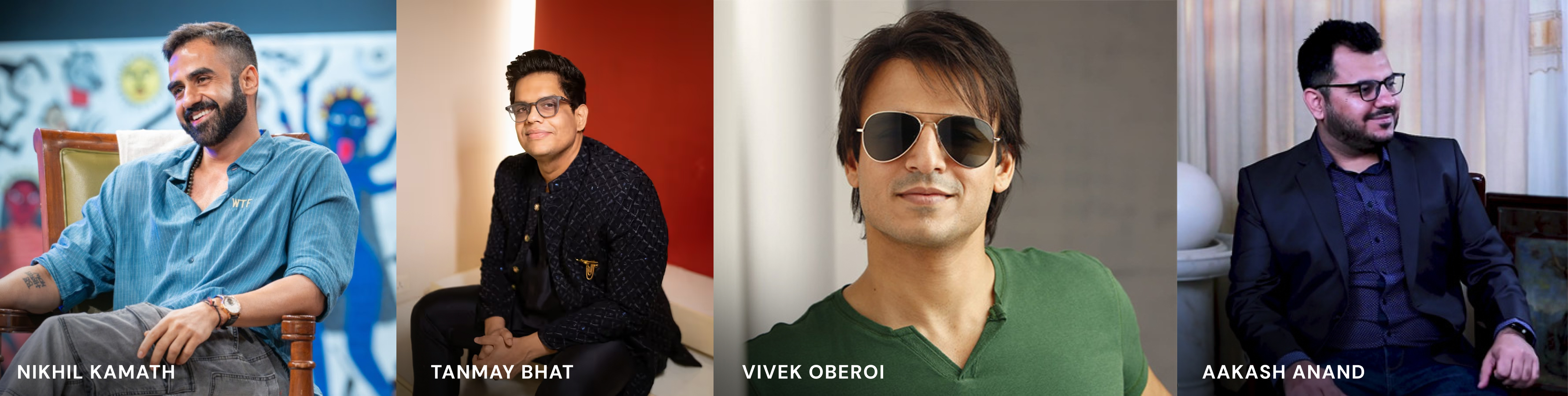
Rotoris, a young analogue watch brand, raised three million dollars in seed funding. The investor list immediately turned heads. Nikhil Kamath, co-founder of Zerodha. Vivek Anand Oberoi, actor and entrepreneur. Alongside them were Venture Catalysts, 100 Unicorns, Tanmay Bhat, and several well-known startup founders.
Rotoris was founded in 2025 by Aakash Anand, founder of Bella Vita Organic, alongside Prerna Gupta, Anant Narula, and Kunal Kapania, under Unikon Innovations Private Limited.
On paper, it looked like another lifestyle brand funding story. In reality, it hinted at something far more interesting. India may finally be attempting to build a serious mechanical watch brand with global intent.
For decades, Indian consumers have worn Swiss watches for prestige and quartz watches for practicality. Mechanical watchmaking has largely been something we imported, admired, and collected. Rarely have we attempted to build at scale with credibility. Rotoris is trying to change that equation.
Three million dollars is not an outrageous sum in startup terms. In watchmaking, however, it is a statement of belief. Mechanical watches are not fast moving consumer goods. They are slow, expensive, detail-driven products that demand patience, capital, and long term thinking.
Nikhil Kamath’s involvement is particularly notable. His investments typically focus on businesses that reshape consumer behaviour and culture. Mechanical watches do not solve a problem. They serve emotion, identity, and craftsmanship. Backing Rotoris suggests a belief that Indian consumers are ready to buy into mechanical watches not just as fashion accessories, but as objects of meaning.
He is also a great admirer of mechanical watches. He appreciates the craftsmanship and engineering that go into them and often associates such timepieces with patience, precision, and thoughtful decision-making. To him, a mechanical watch is more than an accessory.
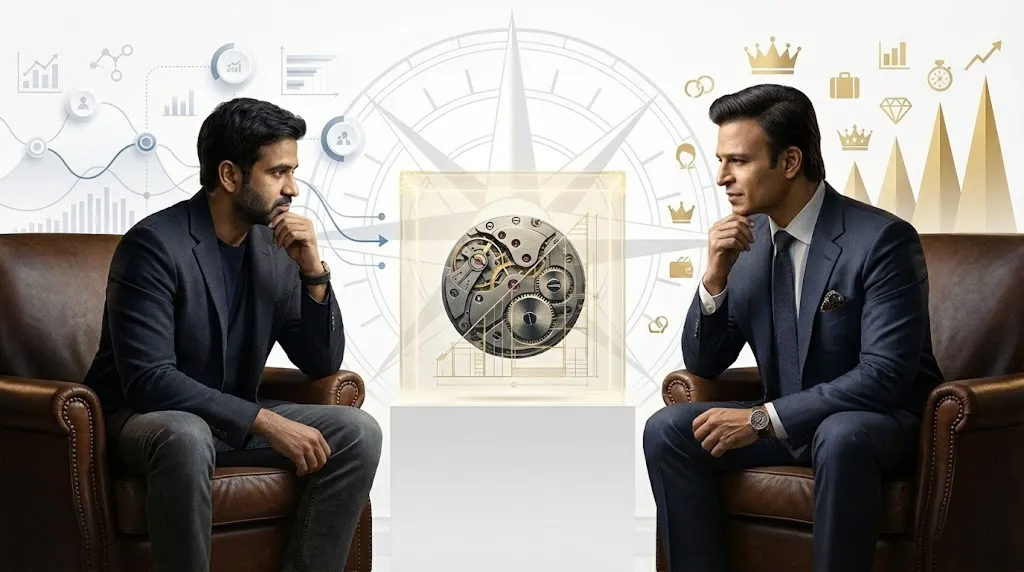
Vivek Oberoi’s presence adds another dimension. His portfolio has leaned toward premium lifestyle and aspirational brands. Watches sit squarely at that intersection.
The backing collectively signals that Rotoris is not being treated as a short term D2C play, but as a brand with category defining ambitions.
Rotoris has been clear about how it wants to be perceived. Engineering led. Mechanically focused. Assembled in house. The brand has announced plans for five collections, each positioned with distinct identities and pricing tiers. Sapphire crystals, automatic movements, and surgical-grade stainless steel are being presented as standard.
The company also plans to launch with an experience store in New Delhi. This is an important detail. Mechanical watches are tactile products. People want to feel the weight, see the finishing, and hear the movement. Betting on physical experience shows a willingness to invest beyond online storytelling.
On the surface, everything looks promising. The design language is clean. The branding feels international. The messaging is confident. But watches are unforgiving products.
Rotoris presents a five watch lineup, each engineered for a distinct mindset rather than a generic market segment. Every model is deliberately customised in philosophy, movement choice, material selection, and design language to serve a specific relationship with time.
Arvion is built around a single-hand time display inspired by classic performance dashboards, prioritizing instinctive readability over complexity.

It runs on Seiko TMI VJ34 quartz movement, chosen specifically for its compatibility with the single-hand philosophy and low-maintenance operation. The watch is constructed using Stainless Steel 316L, Sapphire Crystal, and Suede Leather, combining durability with a restrained, automotive-influenced design focused on speed and forward momentum.
Monarch draws from ancient architecture and celestial mechanics, with indices inspired by the Pantheon’s pillars and a moon-phase complication as its defining feature.

It uses the RSGB02 automatic calibre, developed with Seagull on the ST2153 platform, integrating moon phase, calendar, and energy display into one movement. Built with Stainless Steel 316L, Sapphire Crystal, and Premium Italian Leather, Monarch is engineered for endurance while maintaining a strong balance between mechanical complexity and timeless form.
Auriqua takes inspiration from modern superyacht engineering, emphasizing clean geometry and maritime reliability.

It is powered by the RSGA01 automatic calibre, developed with Seagull and based on the ST2502K architecture, configured for everyday durability and consistent performance. The watch uses Stainless Steel 316L, Sapphire Crystal, and FKM Rubber, materials selected for resilience and long-term wear in demanding conditions.
Astonia is designed around speed and motion, translating racing energy into a functional chronograph.
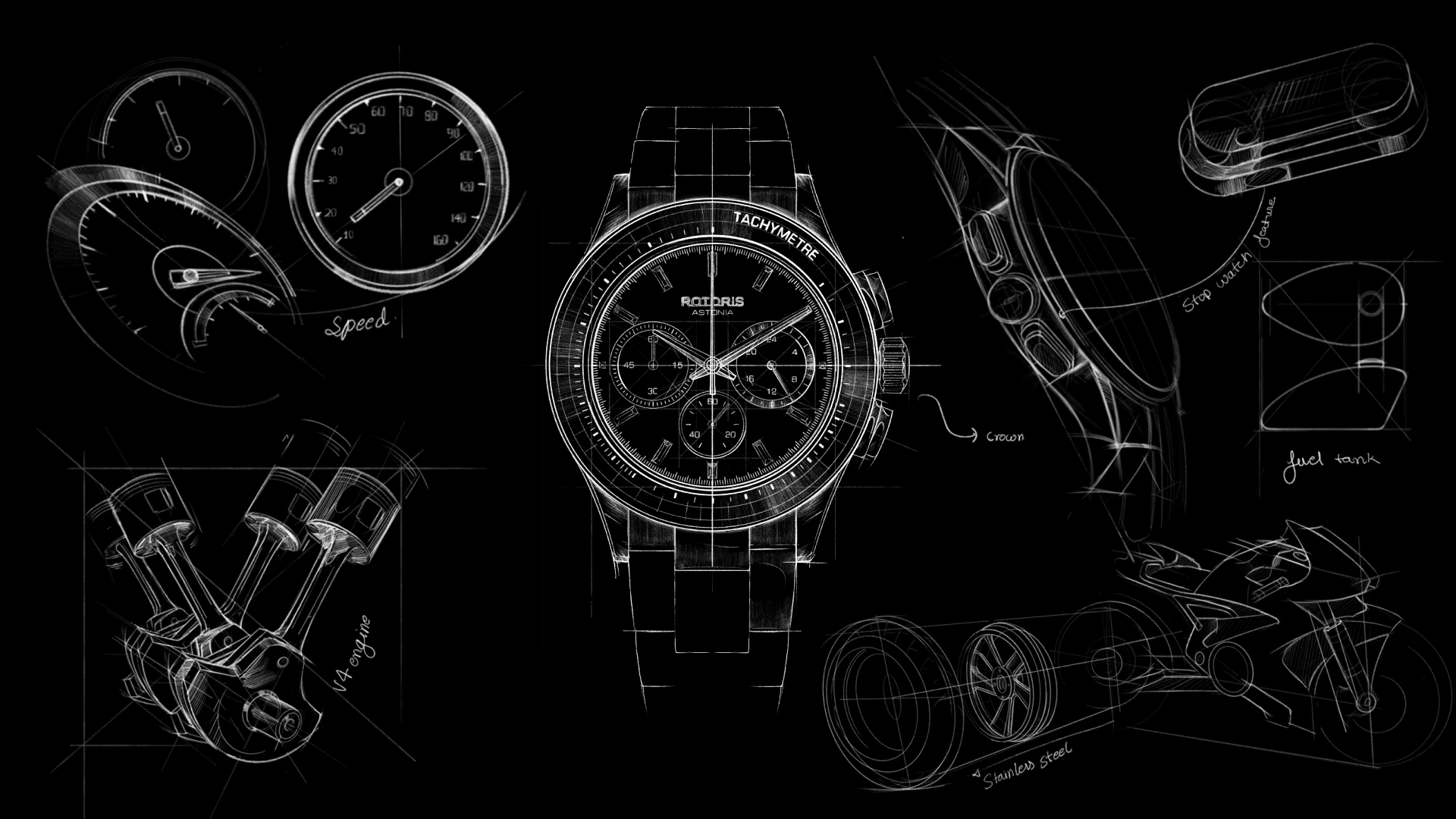
It runs on Seiko TMI VK63 meca-quartz movement under Rotoris’ Q-matic™ technology, combining quartz accuracy with a mechanically actuated chronograph. Constructed from Stainless Steel 316L, Sapphire Crystal, and FKM Rubber, Astonia focuses on precision, tactile control, and performance-driven reliability.
Manifesta centers on hand-crafted dials made from blue aventurine, mother of pearl, and black onyx, positioning material artistry as its core identity.
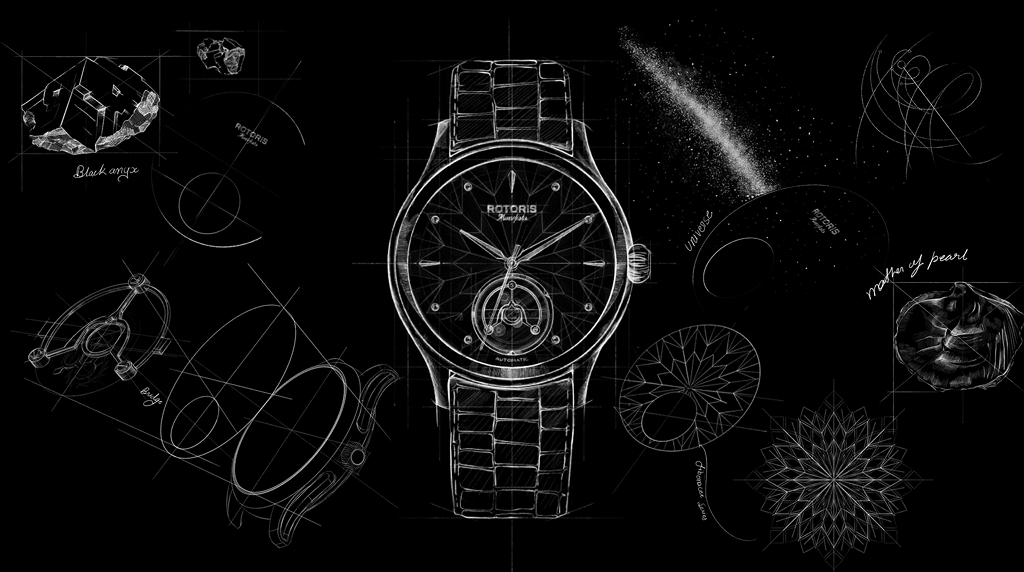
It uses the RSGA01 automatic calibre, developed with Seagull on the ST2502K platform, providing open-heart mechanical functionality with everyday reliability. Inspired by natural textures and precious elements, Manifesta emphasises stone craftsmanship paired with a proven mechanical foundation, nothing decorative without structural intent.
Among serious watch collectors, Rotoris has been met with cautious interest rather than blind excitement. And that scepticism is justified.
Mechanical watch credibility does not come from investor decks or website copy. It comes from movement provenance, finishing quality, tolerances, and long-term reliability. Enthusiasts have already raised questions about what “in-house” truly means at this stage and whether the movements are proprietary or sourced and assembled.
This is not criticism. This is how horology works.
Every respected watch brand earned trust by showing its work. By letting collectors examine the case finishing under magnification. By being transparent about movements. By allowing time to test durability.
Rotoris has not yet placed a watch on a customer’s wrist. Until that happens, everything remains a promise.
Even if Rotoris stumbles, this moment matters.
For the first time in a long while, capital, branding expertise, and public attention are converging around mechanical watchmaking in India. That alone shifts perception. It tells future founders, designers, and engineers that building a mechanical watch brand here is not absurd.
Titan paved the way by premiumizing Indian watch consumption. Bangalore Watch Company brought storytelling rooted in Indian identity. Rotoris is now attempting to push into engineering led aspiration.

Three million dollars is not enough to build a true in house movement from the ground up. That kind of capability takes years and far deeper capital. Early Rotoris watches will almost certainly rely on established movement suppliers. That is not a flaw if handled honestly.
The real test will be pricing discipline, transparency, and product quality. If Rotoris overprices on branding alone, collectors will walk away. If it delivers solid finishing, reliable movements, and clear communication, it will earn patience.
Mechanical watch buyers are not impulsive. They remember. They discuss. They compare.
Rotoris now stands at a defining point.
If the first watches feel right on the wrist, not just visually but mechanically, the brand could become the foundation for India’s modern horological identity.
If it leans too heavily on marketing before substance, it will fade into the long list of well-funded lifestyle experiments.
Either way, something has already changed. India is no longer just a consumer of mechanical watch heritage. It is beginning to question whether it can create its own.
That question alone makes Rotoris worth watching.
Enjoying such stories? Stay tuned and subscribe to Watchgyan's exclusive newsleter.
Happy 2026.